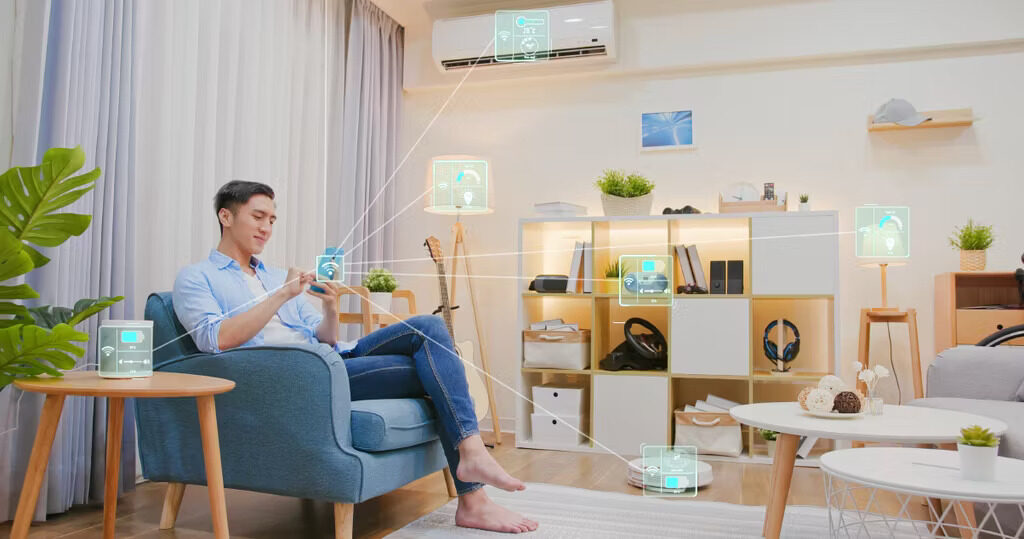
So, you’ve decided to make your home smarter.
Maybe you want:
- Smart lighting:Smart lighting lets you control brightness, colors, and schedules through your phone or voice assistant. You can automate lights to turn on in the morning, switch off when leaving home, or create custom moods for movies, work, or relaxation.It also improves security by making your home appear occupied while you’re away. Motion sensors can automatically light pathways and entrances for added safety.Smart LED systems consume less power and operate only when needed, helping reduce electricity bills while adding comfort, convenience, and a modern touch to your home.
- Automated curtains:Automated curtains allow your blinds or curtains to open and close automatically using schedules, apps, or voice commands. They add convenience, comfort, and a modern feel to your home.You can wake up to natural sunlight each morning or automatically close curtains in the evening for privacy. They also improve energy efficiency by reducing indoor heat during hot afternoons and helping maintain room temperature.Automated curtains are especially useful for large windows, home theaters, offices, and smart homes focused on comfort and automation.
- Smart security:Smart security systems combine cameras, sensors, alarms, and smart locks into one connected system that you can monitor remotely through your phone.Video doorbells and smart cameras provide real-time alerts whenever motion or activity is detected. Smart locks allow secure keyless entry and remote access for family members or guests.These systems improve safety, convenience, and peace of mind by helping you stay connected to your home whether you’re nearby or away.
- Voice-controlled devices:Voice-controlled devices allow you to operate lights, TVs, ACs, speakers, and other appliances using simple voice commands through assistants like Alexa or Google Assistant.You can play music, adjust room temperature, switch devices on or off, or control multiple smart systems hands-free. This makes daily routines faster, easier, and more convenient.Voice automation also improves accessibility and creates a seamless smart home experience by connecting all your devices into one simple control system.
- Energy-efficient AC automation:Energy-efficient AC automation helps maintain indoor comfort while reducing unnecessary power consumption. Smart AC systems can automatically adjust temperature settings based on room conditions, occupancy, or schedules.You can remotely control your AC through a smartphone app, set timers, and monitor energy usage in real time. Automated cooling ensures your AC only runs when needed, helping lower electricity bills.This creates a more comfortable, cost-effective, and environmentally friendly cooling solution for modern homes.
- Or a fully connected smart home experience:A fully connected smart home brings lighting, security, entertainment, climate control, and automation together into one seamless system.Different smart devices work together to simplify daily life. For example, lights can dim automatically when a movie starts, curtains can close during peak sunlight, and security systems can activate when you leave home.With centralized control through apps or voice assistants, a connected smart home delivers greater convenience, comfort, efficiency, and modern living.
And now comes the big question:
“Should I install it myself… or hire a professional?”

The honest answer?
Both options can work.
In fact, many homeowners today successfully install basic smart home devices themselves. Modern smart devices are becoming increasingly beginner-friendly, and if you enjoy technology, DIY automation can actually be a fun experience.
But…
There’s also a major difference between:
- Installing a few smart gadgets
and - Designing a smart home system that works seamlessly every single day.
That’s where professional expertise starts making a very big difference.
At Hopper Automation, we’ve worked with homeowners who started with DIY setups and later realized they wanted something more reliable, scalable, and stress-free.
So let’s break this down honestly.
The DIY Smart Home Route: Can You Do It Yourself?
Absolutely.
For many homeowners, DIY automation is a great starting point.
Today, you can buy:
- Smart bulbs
- Smart plugs
- Video doorbells
- Smart speakers
- Wi-Fi cameras
- Basic motion sensors
And most of them can be connected using:
- Apple Home
- Samsung SmartThings
- Google Home
- Alexa ecosystems
For someone automating a small apartment or testing out smart devices for the first time, DIY can be exciting and educational.
DIY Works Best When…
DIY automation usually works well if:
✅ You only want a few devices
✅ You enjoy troubleshooting technology
✅ You are comfortable with apps and networking
✅ You don’t mind experimenting
✅ You are okay learning through trial and error
And honestly, many homeowners start this way.
There’s something satisfying about setting up your first smart light and controlling it from your phone.
But Here’s Where Things Usually Get Complicated…
This is the part many homeowners don’t anticipate.
A smart home is not just about devices.
It’s about how those devices work together.
That’s where DIY setups can sometimes become frustrating.
The “One Device at a Time” Problem
Many DIY smart homes slowly become a collection of disconnected products.
One app controls lighting.
Another controls cameras.
Another controls curtains.
Another handles speakers.
Suddenly:
- Notifications stop syncing
- Devices randomly disconnect
- Automations become unreliable
- Voice assistants get confused
- Family members stop using the system altogether
At Hopper Automation, we’ve seen homeowners spend months trying to patch together systems that were never designed to work smoothly as a complete experience.
And eventually, they realize:
A smart home should simplify life — not create another technical hobby to manage daily.
The Hidden Cost of DIY: Time, Mistakes & Rework
This is something people rarely calculate.
DIY may initially seem cheaper.
But homeowners often encounter:
- Compatibility issues
- Weak Wi-Fi coverage
- Incorrect device selections
- Ecosystem conflicts
- Poor automation planning
- Devices that don’t scale later
Then comes:
- Replacing products
- Rewiring
- Reconfiguring automations
- Buying duplicate hardware
That’s where many homeowners realize that hiring a professional from the beginning may actually have been the better long-term investment.
Not because DIY is “bad” — but because experience avoids expensive curveballs.
What a Professional Actually Brings to the Table
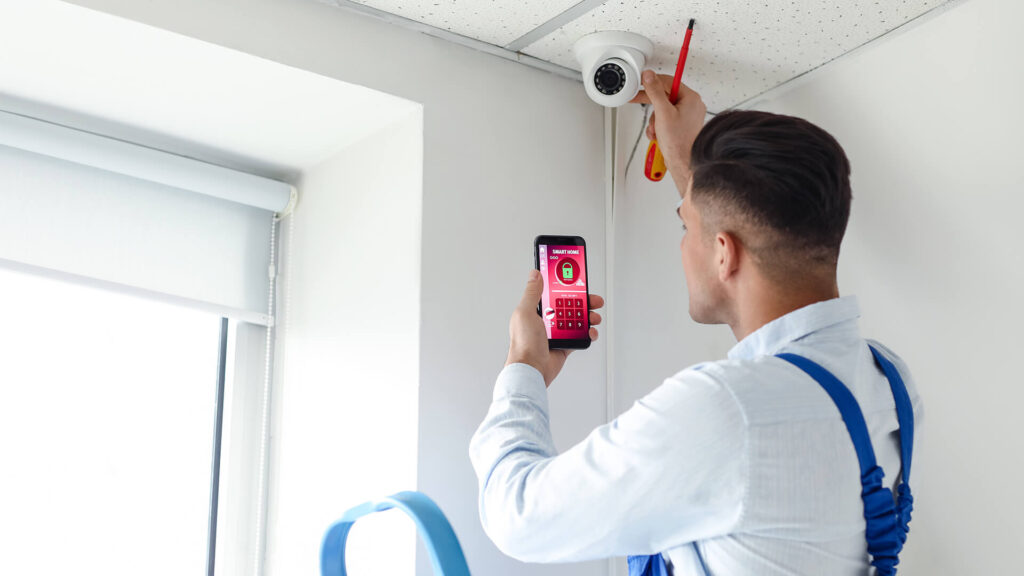
A professional installer does far more than simply “connect devices.”
The real value is consulting, planning, and system design.
At Hopper Automation, we help homeowners answer questions they may not even know to ask yet.
For example:
- Which ecosystem works best for your family?
- Should devices use Wi-Fi, Zigbee, Thread, or hybrid communication?
- Will your network support future expansion?
- Which automations genuinely improve daily life?
- What should be automated now vs later?
- How do you ensure long-term reliability?
That planning stage is what separates a collection of gadgets from a truly intelligent home.
Professionals Design for Real-Life Living
One of the biggest advantages of hiring professionals is that the home gets designed around behavior, not just technology.
For example:
A homeowner may initially request:
- Smart lights
- Smart AC
- Smart curtains
But after consultation, they discover:
- Occupancy automation
- Vacation security modes
- Nighttime pathways
- Energy-saving scenes
- Elderly-friendly controls
- Child-safe automation routines
These are the details homeowners often don’t think about initially — but they become the features they use every single day.
Reliability Matters More Than Features
Here’s a truth many people discover after trying DIY systems:
The best smart home isn’t the one with the most features.
It’s the one that works consistently.
Nobody wants:
- Lights failing during a voice command
- Cameras disconnecting
- Automations randomly breaking
- Family members getting frustrated
Professional systems are typically designed with:
- Stable networking
- Proper device selection
- Better integration planning
- Scalability in mind
- Long-term reliability
At Hopper Automation, our goal is to make automation feel invisible — because when a smart home works correctly, homeowners stop thinking about the technology and simply enjoy the experience.
Maintenance & Service: The Biggest Advantage of Hiring Professionals
This is one of the most underrated benefits.
Technology evolves.
Devices update.
Networks change.
Sometimes things need servicing.
When homeowners build everything themselves, they also become responsible for:
- Troubleshooting
- Firmware updates
- Device replacements
- Compatibility management
- Ongoing maintenance
That can become exhausting over time.
But when you work with professionals like Hopper Automation, homeowners gain peace of mind knowing:
- The system is professionally supported
- Maintenance is handled
- Future upgrades are easier
- Troubleshooting assistance is available
- The setup is designed to remain stable long-term
That support becomes incredibly valuable — especially in larger homes where automation touches lighting, climate, entertainment, and security together.
DIY vs Professional: Which One is Right for You?
Here’s the simplest way to think about it.
DIY May Be Perfect If:
- You want a few smart devices
- You enjoy technology projects
- You don’t mind troubleshooting
- You’re comfortable experimenting
Hiring a Professional May Be Better If:
- You want a seamless experience
- You’re automating an entire home
- You value reliability
- You want future scalability
- You prefer expert planning
- You want long-term support and maintenance
- You’d rather avoid costly mistakes and rework
The Smartest Approach? Sometimes It’s Both.
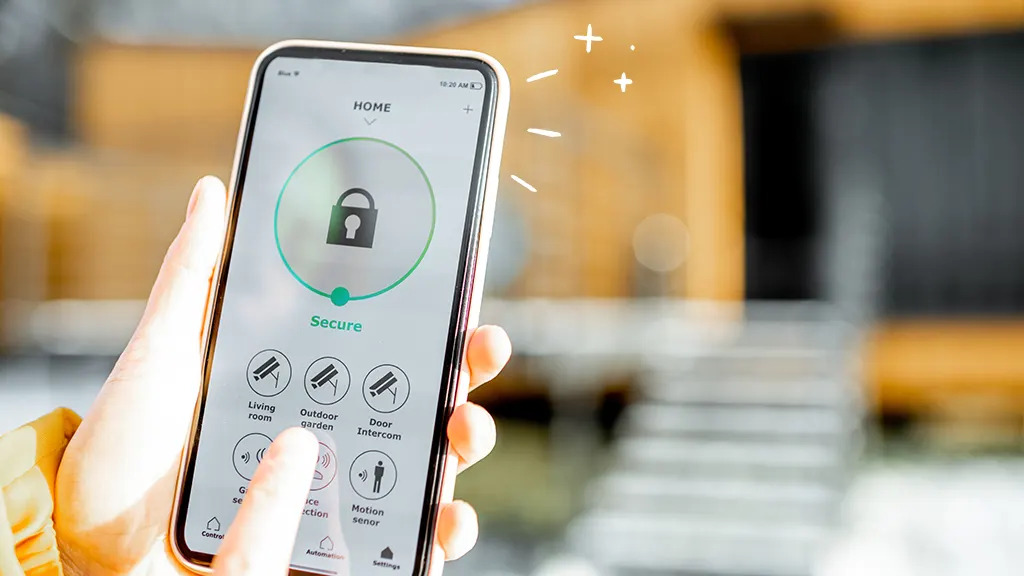
Interestingly, many homeowners today combine both approaches.
Some start small with DIY devices.
Then later work with professionals to:
- Expand properly
- Integrate systems
- Improve reliability
- Build advanced automations
At Hopper Automation, we often help homeowners upgrade existing smart homes into more cohesive and professionally optimized systems.
So even if you’ve already started your smart home journey yourself, that’s completely okay.
In Summary..
Can you install smart home systems yourself?
Absolutely.
Modern automation has become more accessible than ever before.
But if you want a smart home that feels:
- Seamless
- Reliable
- Scalable
- Future-ready
- Hassle-free
Then professional planning and support can make a huge difference.
Because in the end, the goal of Home Automation isn’t simply to own smart devices.
It’s to create a home that works beautifully for the people living inside it.
And sometimes, having experienced professionals guide that journey can save far more time, stress, and money than homeowners initially expect.
If you’re planning a smart home and want expert guidance, Hopper Automation can help design a system that works naturally with your lifestyle, ecosystem, and long-term vision.